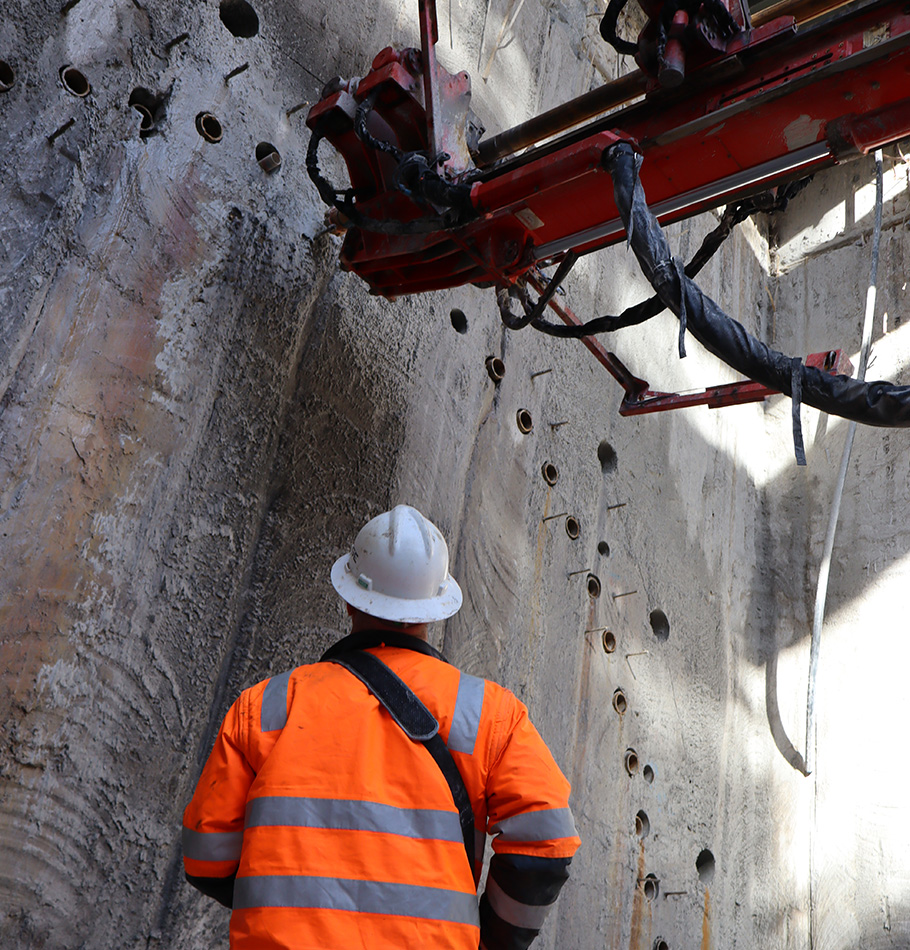
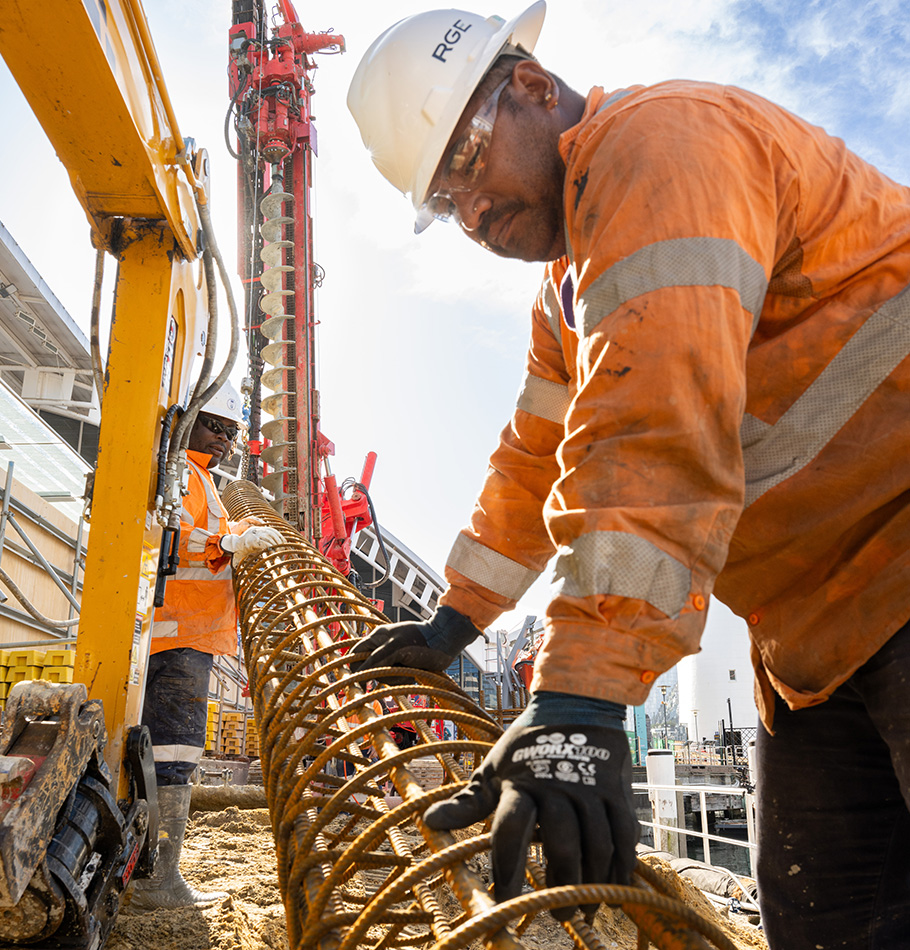
Restricted Access Piling & Micropiles
Overview
Piles up to 600mm diameter in headroom down to 2.45m
Micropiles offer an effective foundation solution for construction projects where access is restricted, equipment weight is critical, or existing structures require strengthening.
RGE combine excellent micropile design capability with some of the most compact and powerful piling rigs in Australia to deliver expert solutions in a wide range of settings, including heritage, bridges, basements and marine.
Key Attributes
- Suitable for limited access sites, with installation possible in headroom as low as 2 m
- High load-bearing capacity with resistance to uplift and dynamic forces
- Low noise and vibration during installation, ideal for sensitive environments
- Effective for underpinning and increasing the capacity of foundation systems
- Provides slope stabilisation and prevents land slips
- Helps prevent structural settlement
- Suitable for seismic retrofitting applications
- Capable of drilling through rock fill, demolition rubble, and other obstructions
- Permanent or temporary steel casing and driven steel tubes available up to 508 mm in diameter
- Cost-efficient installation with rapid delivery on site
Foundation support and slope stabilisation in restricted areas
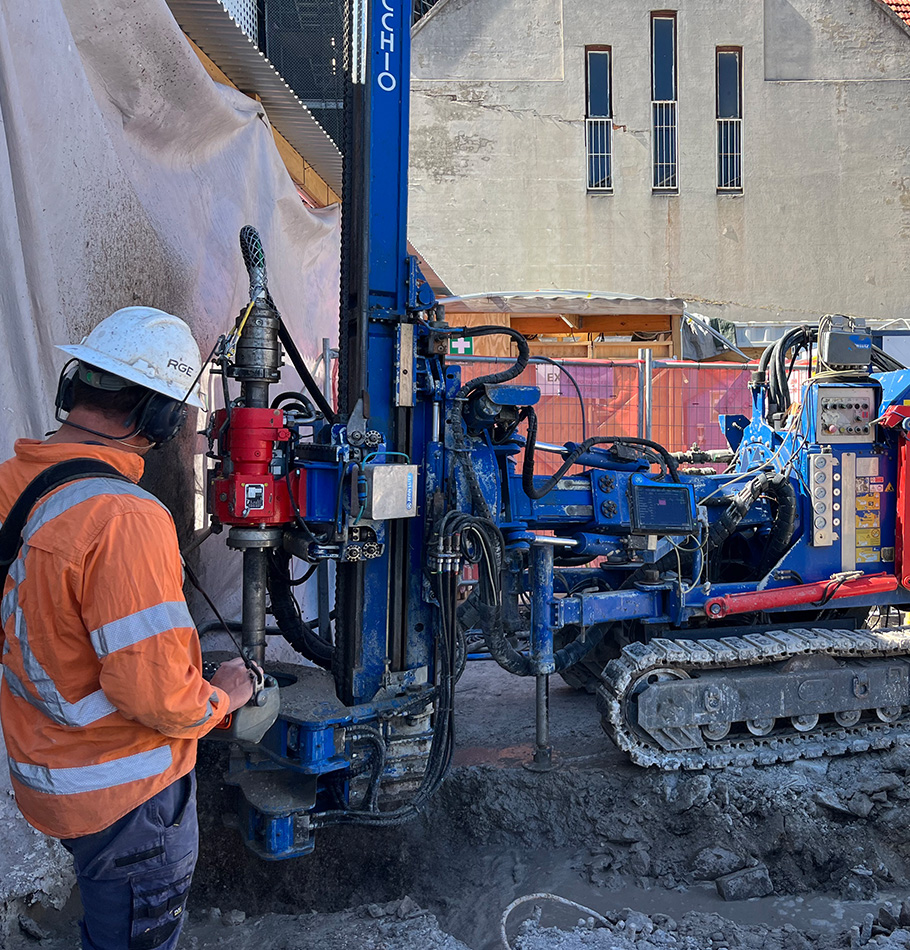
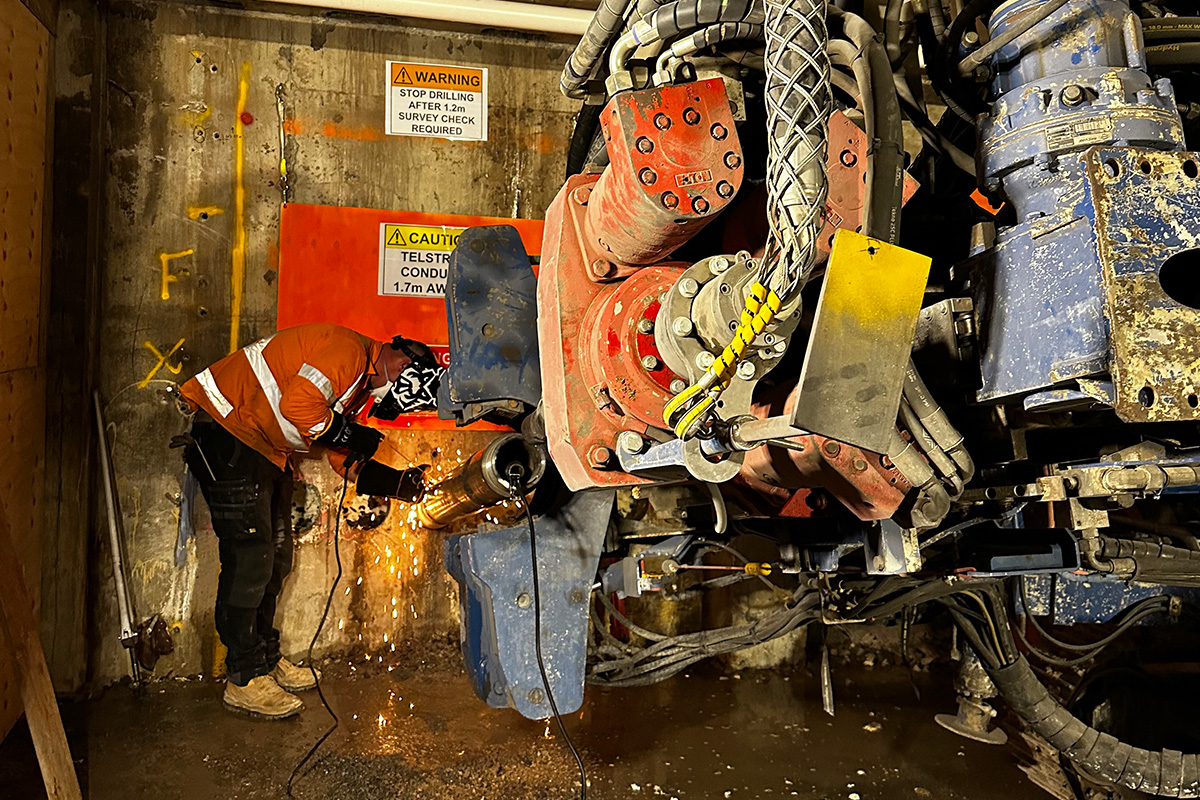
Micropiles deliver a dependable foundation solution for construction sites where traditional piling methods aren’t practical. Installed with compact rigs, this technique can be used in restricted access areas with as little as 2 m of headroom, making it suitable for basements, tunnels, bridges, and heritage buildings.
As micropiles can be drilled vertically or on an angle, they adapt easily to complex projects — whether that’s underpinning existing buildings, stabilising slopes, resisting uplift, or retrofitting structures for added resilience. Discover space-efficient piling for strong, durable foundations with minimal impact.
Frequently asked questions
What is a micropile foundation?
A micropile foundation is a small-diameter pile, usually less than 300 mm wide, designed to provide strong, reliable support where conventional piling cannot be used.
Built from steel reinforcement encased in high-strength cement grout, micropiles strengthen soil via load transfer into deeper, more competent layers. This helps to control settlement and maintain structural stability.
Because they can be installed with compact drilling rigs, micropiles are ideal in confined or difficult-to-reach locations such as basements, tunnels, bridges, heritage buildings, and marine structures.
Do I need micropiles for ground improvement?
Micropiles are often required when the ground is weak, access for large machinery is limited, or structures need additional support.
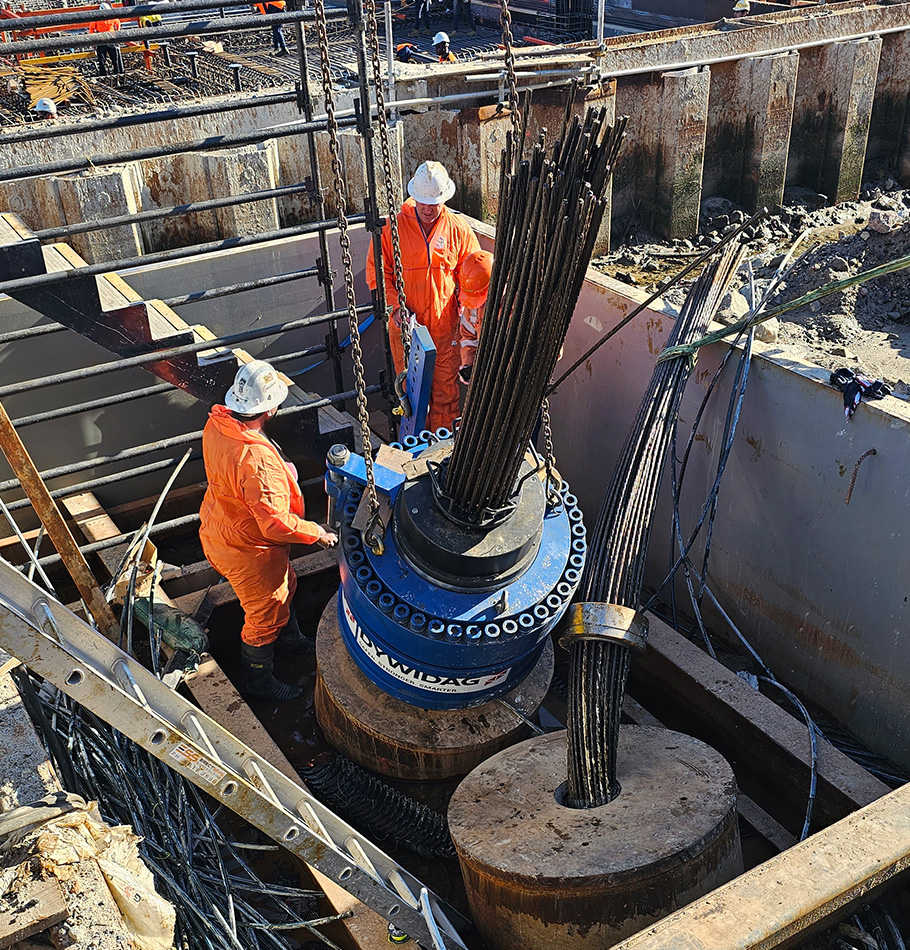
Typical uses include underpinning ageing foundations, stabilising slopes before construction, resisting uplift forces in marine or wind-exposed areas, and retrofitting buildings to meet seismic standards.
As the drilling process is quiet and vibration-free, it is also preferred for works near occupied buildings or heritage assets where minimal disruption is required.
What diameter and depth can micropiles reach?
Micropiles are typically small in diameter, ranging from 100 mm to around 300 mm, but they can be drilled to depths of more than 30 metres depending on geotechnical conditions and load requirements.
Their slim profile makes them ideal for sites with difficult access, while the depth capability allows engineers to anchor foundations into strong soil or rock layers well below weaker surface strata.
How much load can a micropile support?
A well-designed micropile can support loads from 100 kN up to more than 2,000 kN, depending on its diameter, reinforcement, grout strength, and the quality of the bearing strata.
Despite their small size, micropiles deliver high load-bearing capacity because the steel and grout combination achieves efficient load transfer into stable ground.
This makes them a reliable choice for both light and heavy structures, underpinning, and seismic retrofits.
Do micropiles require casing or a reinforcing bar?
Most micropiles are reinforced with a central steel bar or hollow bar section that is encased in high-strength grout.
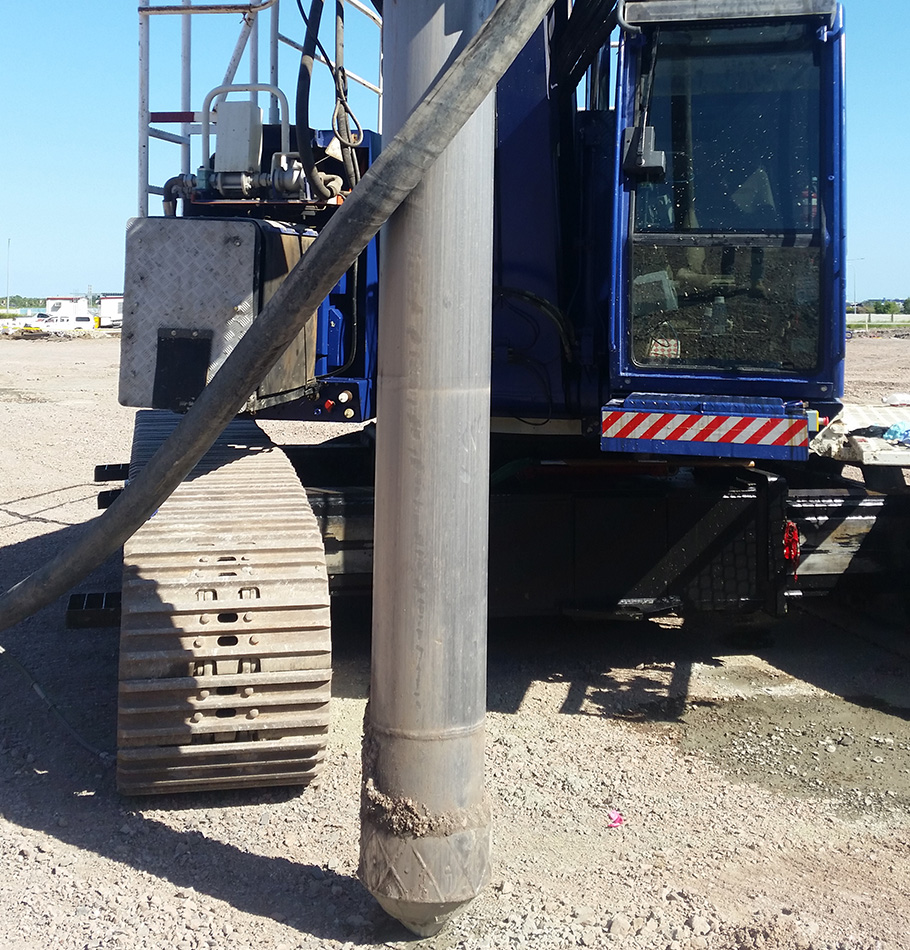
In challenging conditions, a temporary or permanent steel micropile casing may also be used to maintain borehole stability during drilling or to provide additional structural strength.
The exact reinforcement method is determined by factors such as soil type, required load capacity, and whether the pile is designed for compression, tension, or lateral loads.
How do hollow bar micropiles work?
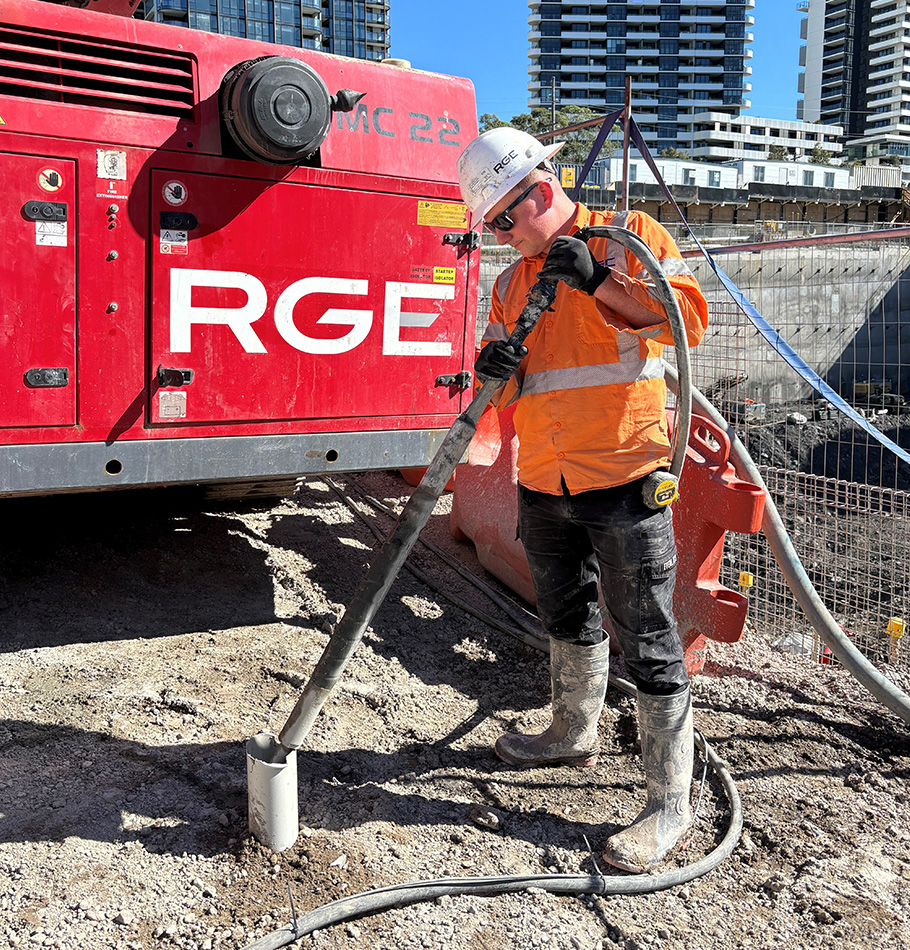
Hollow bar micropiles are installed using a steel tube with a hollow centre and a sacrificial drill bit on the end. As the bar is drilled into the ground, grout is pumped through the hollow core under pressure.
This means the drilling and grouting happen at the same time, which keeps the borehole open and bonds the pile to the surrounding ground. The finished pile is robust and reliable, with the bar itself staying in place as reinforcement.
Hollow bar micropiling can carry heavy loads, resist uplift, and is commonly used for foundations, underpinning, slope stabilisation, and other construction projects where access is restricted. This method is especially useful in loose or unstable soils where traditional piles might collapse during drilling.
Can micropiles be installed through rock, rubble, or obstructions?
Yes. Micropiles can be drilled through difficult ground conditions, including rock layers, demolition rubble, fill, and other obstructions.
Using specialised drilling equipment, contractors can advance the pile shaft through variable materials until it reaches competent bearing strata.
This versatility is one of the key advantages of this method, making it suitable for complex sites where conventional piling methods would struggle.
How do geotechnical conditions affect micropile design?
The ground you’re building on has a big influence on how micropiles are designed. Factors such as soil type, ground strength, groundwater levels, and the presence of rock or fill all determine how deep the piles need to go, their diameter, and whether steel casing or extra reinforcement is required.
In softer soils, micropiles may be drilled deeper to reach solid ground, while rocky or obstructed sites call for specialised drilling equipment.
This is why a geotechnical investigation is always carried out before construction — it ensures the micropile system is tailored to the site and provides reliable, long-term support.
How much does micropile installation cost?
The cost of installing micropiles in Australia depends on a range of factors, including surrounding soil conditions, adjacent structures, site access, required depth, pile diameter, and the need to drill through rock, rubble, or other obstructions.
Pricing is typically calculated per linear metre, with more complex geotechnical conditions increasing the overall cost.
Additional factors such as casing requirements, load capacity, and project scale may also affect the final price.
For a precise cost estimate, a detailed site investigation and project assessment are crucial. Enquire now to discuss micropiling costs for your site.
Do you service Australia-wide?
Yes. Our pile and micropile contractors operate across Australia, including Sydney, Brisbane, Melbourne, Perth, and regional areas. We deliver tailored solutions for local conditions and project requirements.
Enquire now to arrange micropiles for ground improvement anywhere in Australia.
Contact RIX Ground Engineering
Our excellent technical and operational knowledge allows us to tailor make solutions that give our clients the combination of cost, time and quality that best fits their requirements.
Improve ground conditions with RGE
RGE is part of the family of RIX companies offering specialist geotechnical services across Australia and New Zealand. Our resources include over 50 major items of plant and 400 employees.
We are unique in the comprehensive range of services we provide, including ground engineering, ground improvement, shotcrete, retaining walls, piling, slope stabilisation, rope access asset maintenance, mining, tunnelling, demolition, and earthworks.