Slurry walls construction

Overview

Cost-effective groundwater control.

Keep groundwater in or out with a proven, practical and economical solution. Slurry walls serve as low-permeability barriers that block the movement of water and contaminants through soil.

At RGE, we specialise in slurry wall construction from depths of 5 to 40 metres, backed by decades of industry experience. Every wall is built for precision, consistency, and long-term durability, ensuring reliable performance for even the most demanding projects.

Key attributes of slurry cut off walls

Our slurry wall construction process

At RGE, we follow a proven sequence of steps designed to deliver stable, watertight walls that meet strict engineering and environmental standards.

1. Ground preparation

The site is cleared of debris, vegetation, and obstructions. Guide walls are then built along the alignment of the planned slurry wall, typically from reinforced concrete. These guide walls ensure excavation remains accurate, vertically aligned, and stable throughout construction.

2. Trench excavation

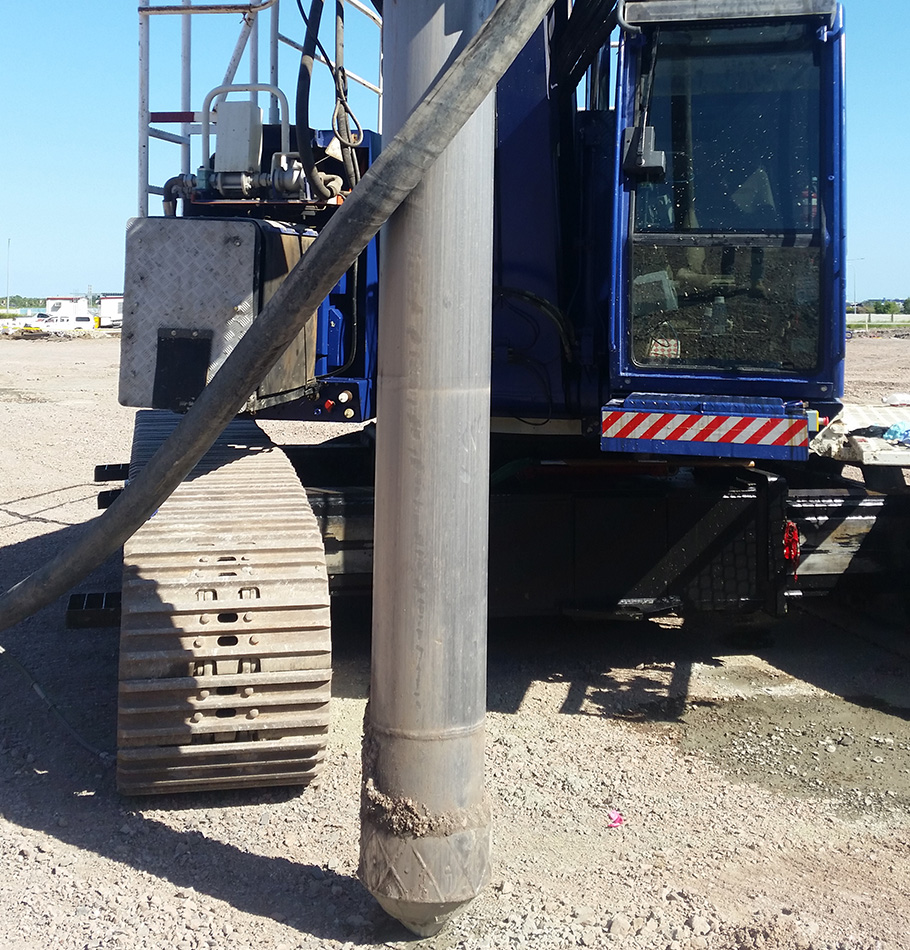
Specialised equipment such as clamshell grabs, hydraulic cutters, or mechanical excavators is used to dig the slurry trench. Excavation follows the exact dimensions and depth required for the project, with removed soil and rock managed or disposed of under strict environmental controls.

3. Slurry stabilisation

A bentonite slurry is introduced to stabilise trench walls and control groundwater. This clay-and-water mix exerts pressure that prevents collapse while excavation continues. Slurry levels are continuously monitored and adjusted to maintain trench stability.

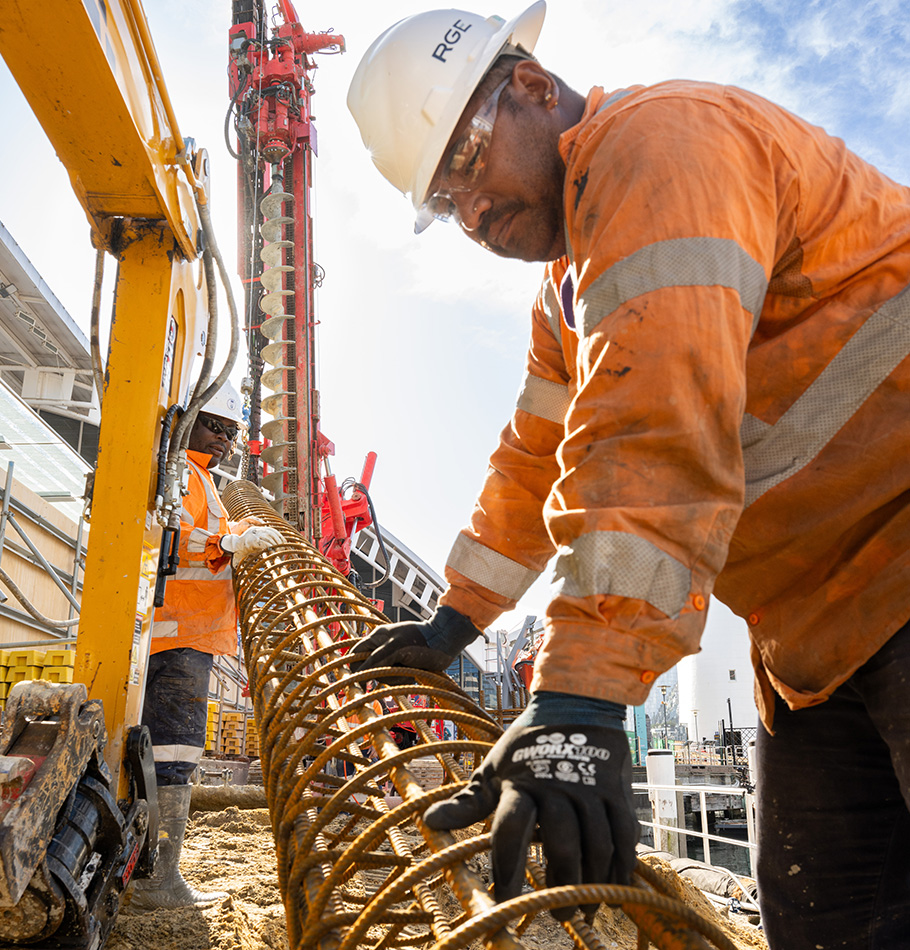
4. Steel reinforcement installation

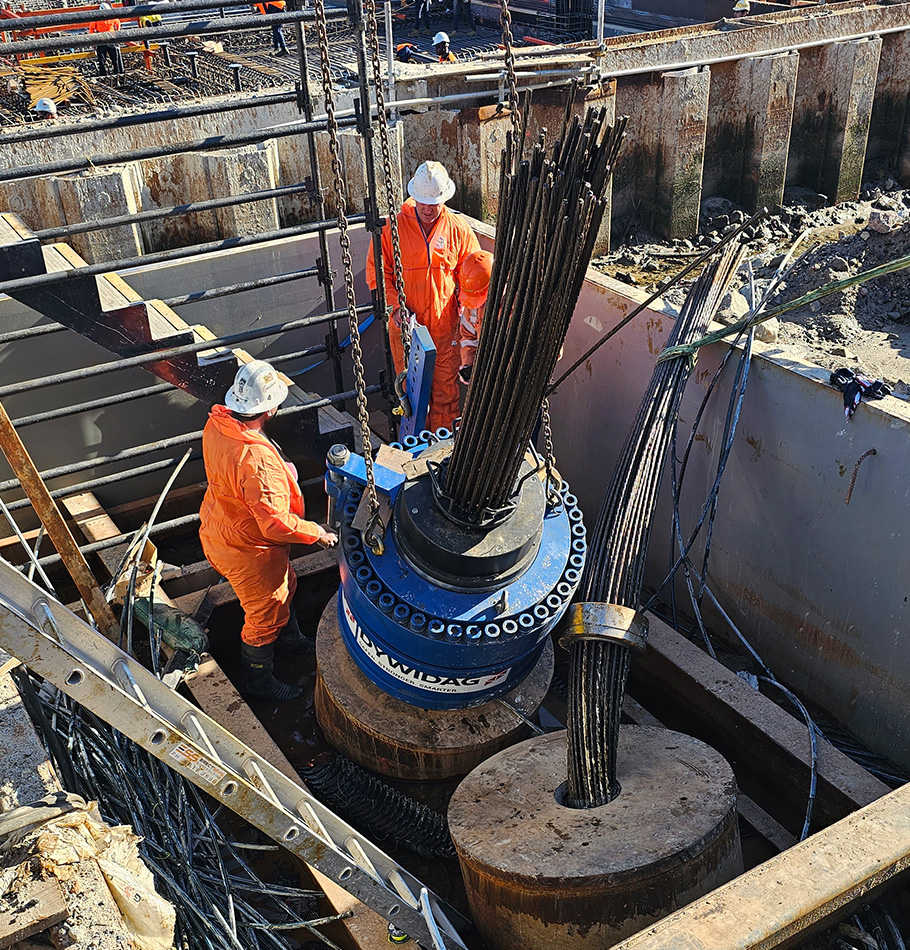
A pre-fabricated steel reinforcement cage is lowered into the trench. Built from interlocked steel bars, the cage provides tensile strength and ensures the wall can resist bending, shear, and long-term structural loads.

5. Concrete pouring

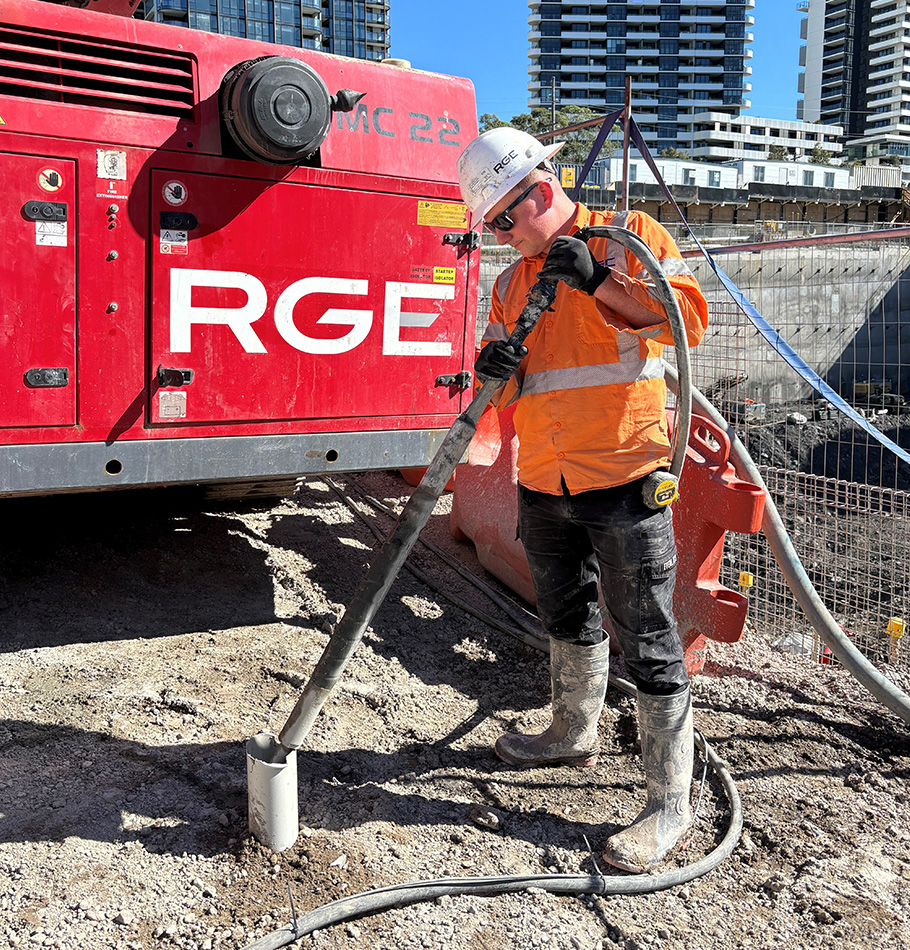
Concrete is placed using tremie pipes, which allow it to flow from the bottom of the trench upwards. This process displaces the slurry while ensuring the trench fills evenly without segregation. A carefully designed concrete mix delivers the required durability and strength.

6. Slurry extraction

As the concrete cures, excess bentonite slurry rises to the surface and is carefully removed. Where possible, the slurry is recycled for reuse; otherwise, it is disposed of in compliance with environmental regulations.

7. Quality assurance

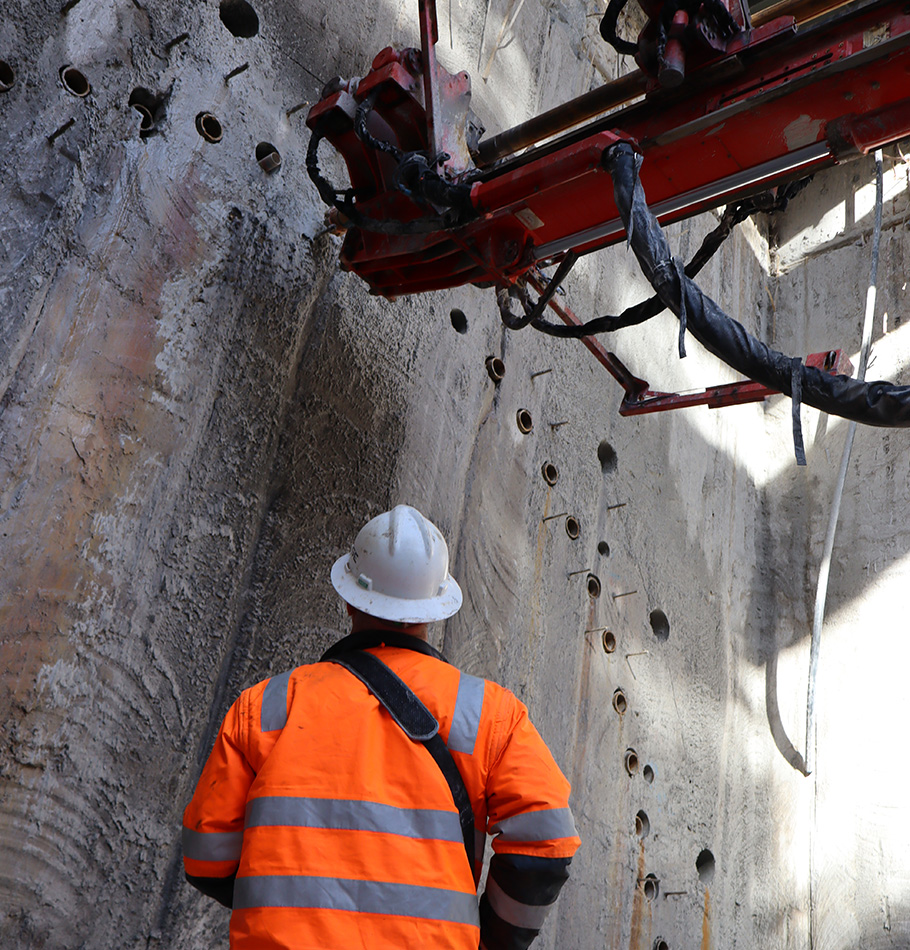
Comprehensive inspections confirm that the slurry wall meets all design and safety requirements. Checks include wall dimensions, vertical alignment, and concrete strength. Non-destructive testing, such as ultrasonic or integrity testing, may also be used to verify quality and reinforcement placement.

FAQs

What is a slurry wall?​

A slurry wall is a below-ground structure built to block contaminant and groundwater flow through soil.

The process involves excavating a trench and filling it with a bentonite and water slurry, which keeps the sides stable during digging. Once the trench is ready, it is often backfilled with soil-bentonite or reinforced concrete to create a permanent, watertight wall.

As the technique produces low vibration and minimal noise, it is ideal for use in urban or sensitive environments where ground stability is critical.

Contact RIX Ground Engineering

Our excellent technical and operational knowledge allows us to tailor make solutions that give our clients the combination of cost, time and quality that best fits their requirements.

Services We Offer

Our Speciality Services

Improve ground conditions with RGE

RGE is part of The RIX Group offering specialist geotechnical services across Australia and New Zealand. Our resources include over 50 major items of plant and 400 employees.

We are unique in the comprehensive range of services we provide, including ground engineering, ground improvement, shotcrete, retaining walls, piling, slope stabilisation, rope access asset maintenance, mining, tunnelling, demolition, and earthworks.